
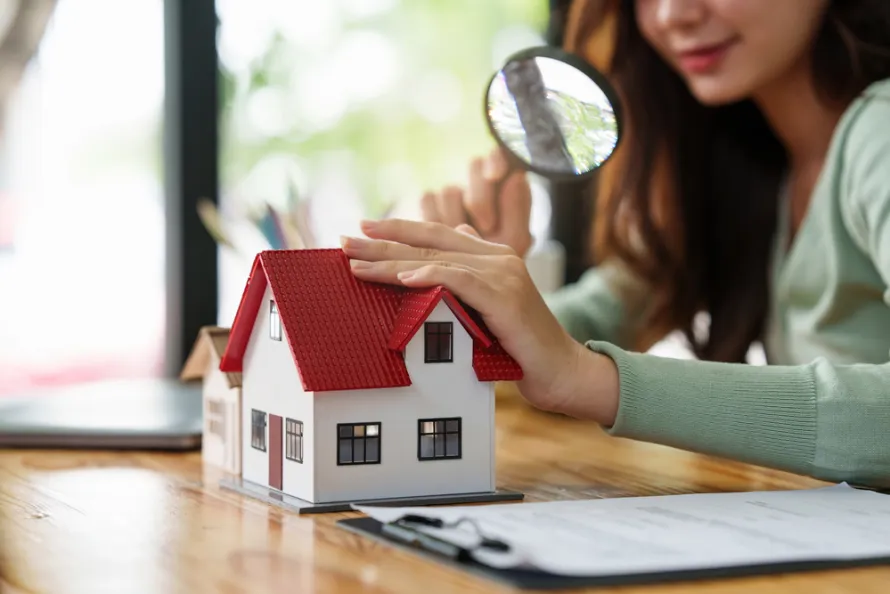
When you prepare to sell your home or refinance your mortgage, the home appraisal is one of the most critical steps in the process. An appraiser provides an unbiased evaluation of your property’s market value, which directly dictates how much a buyer can borrow or how much equity you can access. While macroeconomic trends and local neighborhood data heavily influence your baseline valuation, there are several strategic actions you can take to push that final number higher in a short timeframe.
Many homeowners assume that boosting property value requires tens of thousands of dollars and months of structural remodeling. However, appraisers look closely at the overall condition, functionality, and perceived quality of a home. Executing target cosmetic upgrades and structural maintenance right before your appointment can result in a significant return on investment. Here are five fast, efficient, and highly effective ways to maximize your home’s appraisal value.
1. Deep Clean, Declutter, and Depersonalize Every Room
While appraisers are trained to evaluate the permanent features of a house rather than your personal belongings, human psychology still plays a role in the valuation process. A messy, overcrowded home suggests a lack of regular property maintenance, whereas a pristine, orderly house signals that the home has been meticulously cared for.
-
Clear out crowded spaces: Walk through your home and remove unnecessary furniture, toys, and knickknacks. Empty rooms and clear countertops instantly make spaces feel larger and brighter, which works to your advantage during the assessment.
-
Eliminate deep grime: Scrub the grout lines in your bathrooms, wash the windows inside and out to maximize natural light, and deep-clean the carpets to eliminate stubborn pet odors or traffic stains.
-
Depersonalize the decor: Store away family photographs and highly specific design pieces. The goal is to present a clean canvas that allows the appraiser to focus entirely on the physical dimensions and structural integrity of the layout.
By treating the appraisal like a formal showing, you prevent superficial messes from casting doubt on the underlying condition of your electrical, plumbing, and structural systems.
2. Execute High-Impact, Low-Cost Cosmetic Updates
You do not need to gut your kitchen or bathroom to improve the appraiser’s perception of your home’s interior quality. Instead, focus on targeted cosmetic updates that yield immediate visual results without requiring extensive labor.
-
Apply a fresh coat of paint: Painting is arguably the most cost-effective way to refresh a home. Choose neutral tones like light gray, beige, or soft off-white to make rooms appear spacious, cohesive, and modern. Be sure to cover up any visible scuffs, water stains from old repaired leaks, or bold accent walls.
-
Upgrade the hardware: Replace dated, tarnished brass cabinet knobs, drawer pulls, and door handles with contemporary brushed nickel, matte black, or oil-rubbed bronze alternatives. This minor change can instantly modernize older cabinetry.
-
Refresh plumbing fixtures: Swapping out an old, mineral-encrusted bathroom faucet or kitchen sprayer for a sleek, modern fixture takes less than an hour but adds an immediate sense of updated luxury.
These simple improvements collectively create an impression of a well-maintained, modern living space that justifies a higher tier on the appraiser’s comparative ranking system.
3. Maximize Your Curb Appeal Immediately
The exterior of your property provides the very first impression for the appraiser, establishing a mental baseline before they ever cross the threshold. Neglected landscaping can trigger an assumption that the rest of the property suffers from deferred maintenance.
-
Manicure the lawn: Mow the grass, edge the walkways, trim overgrown bushes that block natural light from windows, and clear away dead leaves or branches.
-
Add fresh mulch: Layering dark mulch in flower beds instantly creates a crisp, contrasting frame for your house, hiding weeds and making the garden look professionally tended.
-
Power wash surfaces: Blast away layers of dirt, mold, and pollen from your siding, front porch, driveway, and walkways. A clean exterior makes the home look years younger.
-
Revitalize the entry point: Repaint your front door a welcoming, sophisticated color, and replace old, faded house numbers or rusty mailboxes with crisp, modern options.
An inviting exterior suggests a high standard of home ownership, giving the appraiser confidence that the property is structurally sound and well cared for.
4. Resolve Minor Deferred Maintenance Issues
Appraisers look specifically for safety hazards, structural defects, and signs of neglect that could impair the long-term viability of the property. Fixing small items before the walk-through ensures they are not noted as negatives on the final report.
-
Fix leaky faucets and running toilets: Water issues are an immediate red flag for appraisers because they suggest hidden water damage or plumbing failure. Ensure all fixtures operate perfectly.
-
Replace burnt-out lightbulbs: Adequate lighting makes your home look larger, warmer, and more appealing. Swap out dead bulbs, and consider using matching warm-white LED bulbs across all fixtures to ensure every corner is well lit.
-
Repair torn window screens and broken latches: Small broken components imply a generalized disregard for upkeep. Ensure windows open easily, screens are intact, and doors latch tightly.
-
Touch up caulking: Remove cracked, moldy caulk around bathtubs, showers, and kitchen backsplashes and lay down fresh, bright white waterproof silicone lines.
Addressing these issues proactively prevents the appraiser from building a long list of minor defects that could drag down the overall condition rating of the home.
5. Compile a Comprehensive Home Proof Package
Do not leave the valuation entirely up to the appraiser’s independent research. Prepare a professional packet of documents to hand to them when they arrive at your property. This simplifies their job and ensures no valuable details are overlooked.
-
List of recent upgrades: Document every improvement you have made over the last few years, alongside the approximate completion dates and costs. Include everything from a new roof or HVAC unit to minor upgrades like new light fixtures or a garbage disposal.
-
Major structural receipts: If you replaced large-ticket items like a water heater, garage door, or insulation, include the invoices to prove the age and quality of the installations.
-
Local neighborhood insights: If your home boasts unique neighborhood advantages that might not show up on a standard real estate map, such as a newly approved park down the street or zoning for a top-tier school, note it down.
Providing this organized paperwork establishes you as a transparent homeowner and ensures the appraiser has a concrete record of the hidden investments that add real value to the property.
Advanced Home Appraisal FAQ
How do appraisers calculate the value of an unfinished basement or attic space?
Appraisers separate living spaces into above-grade and below-grade categories. An unfinished basement or attic is typically given minimal value because it does not count toward the official heated and finished square footage of the home. However, if the space is structurally sound, dry, and clean, it will be noted as a positive storage asset. To maximize its value without finishing it completely, ensure it is thoroughly cleaned, free of moisture or musty odors, and well lit before the appraisal.
Does a smart home automation system significantly increase an appraisal value?
While buyers love smart home technology, standard appraisals rarely assign a specific, isolated dollar value to items like smart thermostats, video doorbells, or automated lighting control panels. These devices are generally considered personal property rather than permanent fixtures. However, they do contribute positively to the overall modernization and appeal score of the home, which can help tip the property into a higher overall condition classification.
How much weight does an appraiser give to energy-efficient upgrades?
Energy-efficient upgrades, such as modern double-pane windows, spray-foam insulation, or high-efficiency heat pumps, absolutely boost value, but the impact is realized systematically. The appraiser will look at how these upgrades compare to other homes in your immediate market. If your neighborhood consists of older homes with original single-pane windows, your energy-efficient improvements will provide a clear upward adjustment on the comparative evaluation sheet.
Can a messy neighbor lower the appraisal value of my house?
External obsolescence is a term appraisers use to describe factors outside of your property lines that negatively affect your home’s value. If an immediate neighbor has a yard filled with trash, dilapidated structures, or unpermitted vehicles, it can theoretically impact your valuation. To mitigate this, ensure your own property line is clean, and use strategic landscaping, such as tall privacy hedges or fencing, to minimize the visual impact of the neighboring property during the appraiser’s visit.
What is the difference between a home inspection and a home appraisal?
A home inspector works directly for the buyer to uncover hidden mechanical, structural, and safety issues throughout the property, providing a detailed diagnostic report on what needs repair. An appraiser works primarily on behalf of the lender to determine the overall fair market value of the home by comparing its general condition, size, and features to recently sold properties in the immediate area.
Should I stay at home and walk around with the appraiser during the tour?
It is best to greet the appraiser politely, hand them your compiled package of upgrades and receipts, and then give them space to work independently. Walking closely behind them or pointing out every minor detail can feel intrusive and might inadvertently signal that you are anxious about the property’s condition. Remain accessible in a central area to answer any specific questions they might have about the mechanics or history of the house.
How far back do appraisers look for comparable home sales in the neighborhood?
Appraisers prefer to look at comparable sales that closed within the last ninety days to six months to ensure they reflect the current trajectory of the local real estate market. If your neighborhood has very low turnover or features highly unique custom properties, the appraiser may expand their search parameters up to one year or look into adjacent, demographically similar neighborhoods to find reliable data points.
