
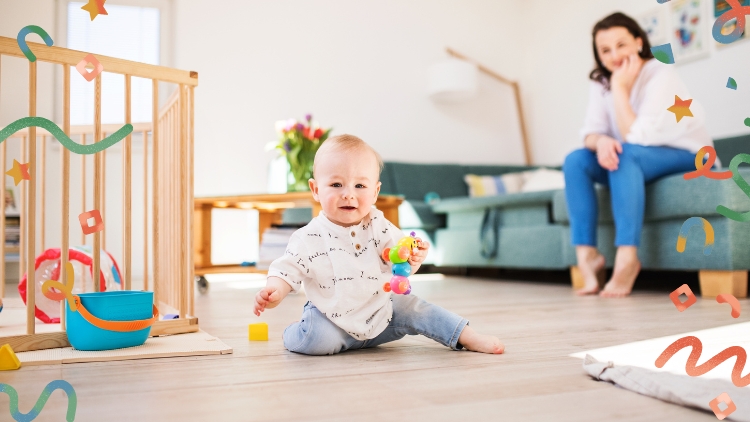
Bringing a new baby home or watching a toddler take their first steps is a major milestone. It also brings the immediate realization that your living space is full of potential hazards. The traditional response to child-proofing often involves bright plastic corner guards, neon nylon straps, and bulky plastic gates that can turn a carefully curated interior into something resembling a commercial daycare.
Fortunately, ensuring your child’s safety does not mean you have to abandon your personal aesthetic. With intentional design choices, smart material selection, and sophisticated safety gear, you can create a secure environment for your little one while maintaining a beautiful, adult-friendly home. Here is how to achieve the perfect balance between style and safety.
The Living Room: Smart Furniture Choices and Clever Concealment
The living room is typically the hub of family activity, making it the most critical area to address. Instead of covering your existing furniture in unsightly foam padding, consider swapping out a few key pieces for items that are inherently safe.
Rethink the Coffee Table
Sharp-edged wooden or glass coffee tables are notorious hazards for toddlers learning to walk. Instead of taping foam bumpers to a beautiful piece of wood, replace it temporarily with a large upholstered ottoman or a plush pouf. An oversized leather or performance-fabric ottoman provides a soft surface for accidental tumbles while serving as an elegant centerpiece. You can place a solid wooden tray on top to hold drinks or books, which can easily be moved out of reach when the child is active.
Select Performance Fabrics
You do not need to buy cheap, disposable furniture just because spills and accidents are inevitable. Look for high-end performance fabrics like Crypton, Sunbrella, or tightly woven linens treated with stain resistance. Velvet made from high-quality polyester is also surprisingly durable and easy to wipe clean. Choosing a sofa with removable, washable slipcovers allows you to maintain a crisp, sophisticated look without living in constant fear of juice stains or crayon marks.
Conceal Electronics and Cords
Exposed wires and media consoles are major magnets for curious toddlers. Invest in a closed media cabinet with breathable cane, slatted wood, or mesh doors. This allows infrared remote signals to pass through while keeping components, consoles, and messy wiring completely out of sight and out of reach. Use cord organizer boxes and split-sleeve tubing to bundle and hide any wires that must run along the baseboards.
The Kitchen: Discretion is Key
Kitchens are filled with sharp objects, heavy cookware, and chemical cleaners. Because this room requires a high level of security, the goal is to implement safety measures that remain completely invisible from the outside.
Magnetic Cabinet Locks
Traditional plastic latch locks require you to pull the drawer open slightly and press down on a plastic tab. Not only do they look cheap, but they also allow fingers to get pinched in the small gap. Magnetic cabinet locks are installed entirely on the inside of the cabinet doors and drawers. They keep the door completely flush and locked until you place a magnetic key against the outside of the wood. This leaves your kitchen cabinetry looking entirely untouched and seamless.
Heavy-Duty and Sleek Safety Gates
When you need to keep a child out of the kitchen entirely, skip the pressure-mounted plastic gates that scuff your door frames. Look for retractable mesh gates in neutral tones like charcoal, slate, or cream that roll up tightly into a slim metal housing when not in use. Alternatively, opt for hardware-mounted wooden gates finished in a stain that matches your flooring or trim, making them look like an intentional architectural feature rather than a temporary fix.
Stove Safety Without Ugly Knobs
Clear plastic stove knob covers are notorious eye-sores. If your stove has front-facing knobs, a more elegant solution is to simply remove the knobs entirely when the stove is not in use, storing them in a nearby drawer. For cooktops, look into purchasing a sleek, clear acrylic stove guard that blocks access to hot burners but blends into the background of your countertops.
Storage Solutions: Functional and Beautiful
Maintaining a stylish home with children requires an abundance of storage to hide the inevitable mountain of toys, books, and baby gear at the end of the day.
Multi-Functional Furniture
Look for storage options that pull double duty. Benches with hidden storage compartments under the seat can sit beautifully in an entryway or at the foot of a bed, holding shoes, blankets, or toys. Sideboards and credenzas in the dining or living room can house children’s puzzles and board games on lower shelves while keeping your fine china or table linens safely on the upper shelves.
Woven Baskets and Natural Textures
Plastic toy bins instantly disrupt the visual flow of a room. Replace them with high-quality woven seagrass, rattan, or heavy canvas baskets. These natural materials add texture and warmth to your decor while completely concealing toys. Grouping three identical large baskets under a console table keeps the room looking organized and sophisticated while ensuring clean-up time takes only a matter of minutes.
Architectural and Decor Adjustments
Sometimes, the best child-proofing decisions are built directly into the layout and decor of the home.
Secure Furniture Strategically
The most critical safety task in any home is anchoring heavy furniture to the wall to prevent tip-overs. Dressers, bookshelves, and media consoles must be secured. Thankfully, anti-tip straps are installed behind the furniture, making them entirely invisible. When arranging your rooms, place tall bookshelves or heavy furniture in areas where children are less likely to climb, and avoid placing tempting toys on upper shelves.
Soften Floors with Low-Pile Rugs
Hardwood and tile floors are beautiful, but they provide zero cushioning for falling toddlers. Layering large area rugs over your hard floors softens the space. Opt for low-pile or flat-weave rugs, which are easier to clean and less likely to trip a toddler than high-pile shag rugs. Look for vintage-inspired printed rugs or distressed patterns, as they are incredibly forgiving when it comes to hiding minor stains and wear.
Art and Accessories
Move fragile porcelain, glass vases, and heavy sculptures to higher shelves or mantels. Fill your lower shelves with unbreakable decorative items, such as wooden bowls, textured brass objects, hardcover books, or woven spheres. This allows you to maintain a styled, layered look without worrying about shattered glass or ruined family heirlooms.
Advanced Child-Proofing FAQ
How do I secure a fireplace hearth without ruining the look of my living room?
Instead of wrapping the entire perimeter of a brick or stone hearth in foam padding, consider having a custom, flame-retardant upholstered cushion made to fit the top of the hearth. This effectively turns a dangerous, sharp-edged structure into an elegant, low bench seat. When the fireplace is in use, the cushion can easily be removed and set aside, then replaced once the area cools down.
Are there stylish alternatives to plastic outlet covers?
Yes. Traditional plastic outlet plugs are easily removed by older toddlers and often end up scattered on the floor. A better, more permanent solution is to replace your standard outlet faceplates with spring-loaded sliding outlet covers. These plates feature a mechanism that automatically slides shut to cover the open slots as soon as a cord is unplugged. They match your existing trim and look identical to standard outlets.
What is the safest way to handle floor-length curtains and drapes?
The primary danger with window treatments comes from dangling cords, which pose a strangulation hazard. Switch to cordless blinds or motorized shades. For floor-length drapery panels, ensure the curtain rods are securely anchored into wall studs using heavy-duty hardware. Children often use curtains to pull themselves up or hide behind them, so the hardware must be strong enough to support their weight.
How can I child-proof open-tread or floating staircases elegantly?
Open-tread staircases pose a fall risk if the gaps between the steps are larger than four inches. Instead of blocking the stairs with mismatched plywood or netting, hire a local carpenter to install matching wooden riser blocks that coordinate perfectly with your existing wood species and finish. This closes the dangerous gap permanently while maintaining the architectural integrity of the staircase.
Can I keep houseplants in a child-proofed home?
You can certainly keep houseplants, but you must verify that they are non-toxic to children and pets. Varieties like the Snake Plant, ZZ Plant, and Peace Lily are popular but can cause mild to moderate toxicity if ingested. Instead, opt for beautiful, non-toxic alternatives such as the Parlor Palm, Boston Fern, Ponytail Palm, or Spider Plant. Always place heavy planters on the floor or sturdy plant stands that cannot be easily knocked over.
How do I protect glass cabinet doors or low windows?
For low-reaching windows or glass panels on interior doors, apply a clear, heavy-duty safety and security window film. This transparent film adheres directly to the glass surface. If a child throws a toy or falls into the glass, the film holds the shattered pieces together within the frame, preventing dangerous shards from scattering across the floor and causing injury.
What should I look for in a stylish, non-toxic play mat?
Skip the interlocking primary-colored foam puzzle mats. Many modern companies now manufacture single-piece, non-toxic foam play mats designed to look exactly like high-end Moroccan or vintage Persian rugs. These mats provide optimal shock absorption for playtime but feature muted colors and sophisticated patterns that blend seamlessly into an upscale living room or nursery.
Visual Inspiration for Elegant Safety
An example of incorporating clean lines, hidden storage, and safe, rounded furniture profiles into a modern home environment:
By prioritizing hidden hardware, selecting naturally resilient materials, and opting for soft, rounded furniture silhouettes, you can create a sanctuary that keeps your children safe while keeping your design identity intact.
